Rhythm Section
It's impossible to talk about jazz music without mentioning the musical instruments that make up jazz bands. Understanding the roles of each of these instruments can give us clues for creating great DJ sets, and researching the musicians' discographies can help us find recordings that could enhance our collections. Note: we are listing musicians in this section, but it is by no means a definitive list, simply a selection meant to give a good starting point for your own research.
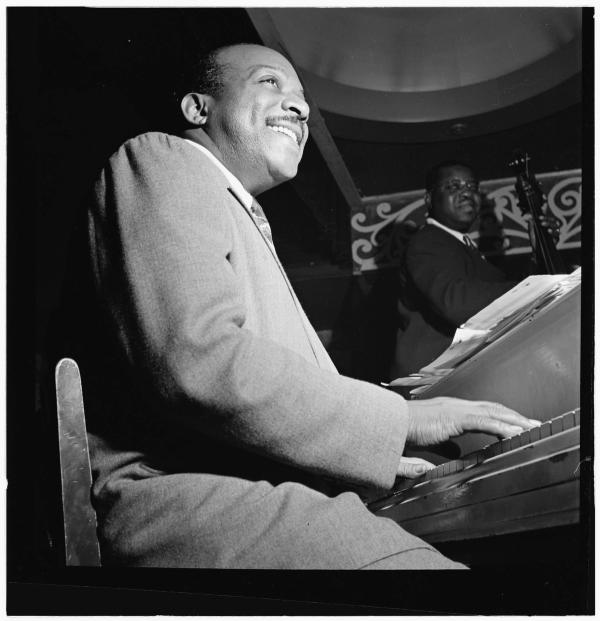
- Piano
Although part of the rhythm section, the piano is an extremely versatile instrument. It offers harmonic support with its chords, has a rhythmic aspect with the percussive sound of the hammers on its strings, and it can also easily play complex solos with its 88-note register. The emblematic technique of the swing era is the "stride", which is a rather complex way of playing that aims to imitate a jazz orchestra by playing all its sections simultaneously (bass, harmonies, soloist). In a big band, the piano is generally more discreet, to make room for the other instruments, except when playing solo, when many adopt the stride style to impress the audience. An important exception was Count Basie, who was known for playing very few notes during his solos. For dancers, the piano can be a great source of musicality. Having a good selection of songs featuring the piano can enhance a DJ set. Notable pianists of the swing era: Duke Ellington, Count Basie, Fats Waller, Mary Lou Williams, Earl Hines, Nat King Cole.
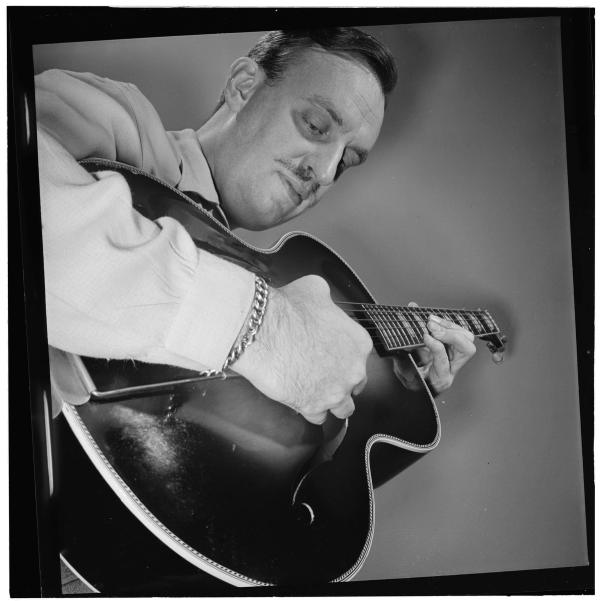
- Acoustic Guitar
Despite its discreet role, the acoustic guitar plays an important role at the heart of the swing-era big band, especially for the other musicians. Often considered the band's metronome, it traditionally plays a chord on every beat, contributing to the emblematic swing feel of the era. Except in jazz manouche, where the acoustic guitar also occupies the role of soloist, it might not be the first thing we hear as a DJ. Notable guitarists of the swing era: Freddie Green, Django Reinhardt.
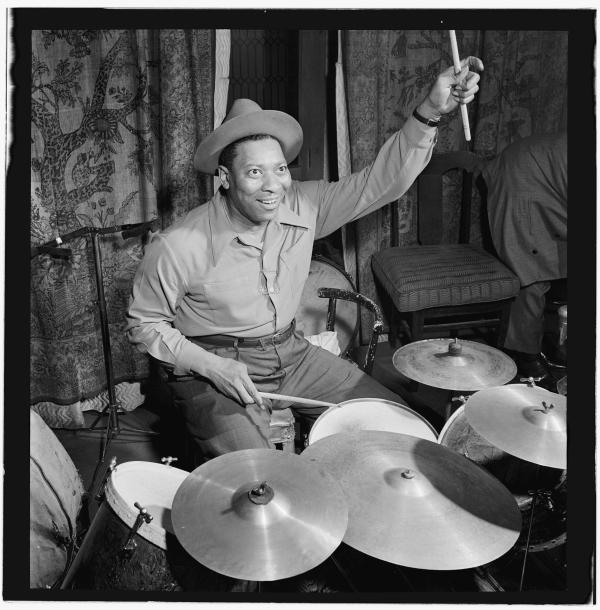
- Drums
The drums keep the rhythm with a constant bass-drum on each of the four beats, and the hi-hat on the 2 and 4. Other drums are used mainly for accents, and during drum solos, which are often very simple, as in modern jazz. It's important to note that drum solos can be more challenging for dancers. On the other hand, songs with drum solos should not automatically be avoided, as long as the solo is not too long and the rhythm is clear in the transitions for the beginning and end. It's also a good idea to avoid linking several songs with drum solos, unless it's a trade between the drums and a melody instrument, which is usually much easier for dancers to dance to. Notable drummers of the swing era: Chick Webb, Jo Jones, Gene Krupa.
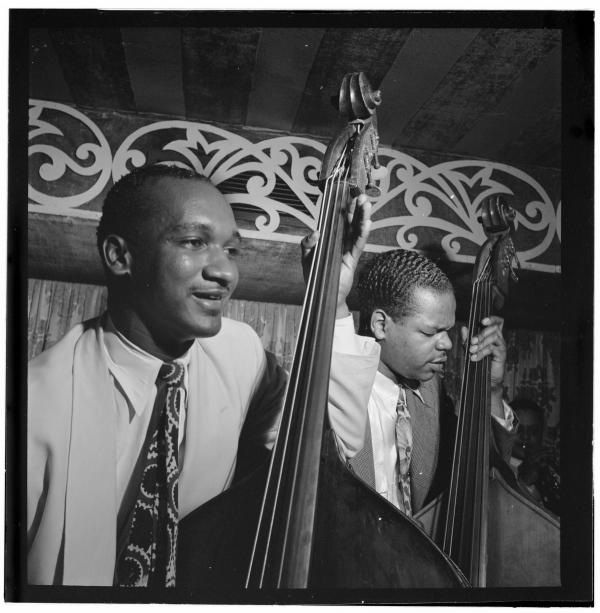
- Double Bass
The double bass establishes the harmonic foundation of the music. Playing one note per beat, a technique known as "walking bass", gives an energetic feel and reinforces the sense of swing. On the other hand, playing a note every other beat lowers the energy. Both techniques, used at key moments, can add texture and energy to tracks. As a DJ, you should be aware that bass quality diminishes over time on old vinyl. In this case, the double bass can sound muddled or hard to hear. Notable bassists of the swing era: Walter Page, Jimmy Blanton, John Kirby, Slam Stewart.
Discussion
No comments yet. Be the first to ask a question or share a thought.