Horns Section
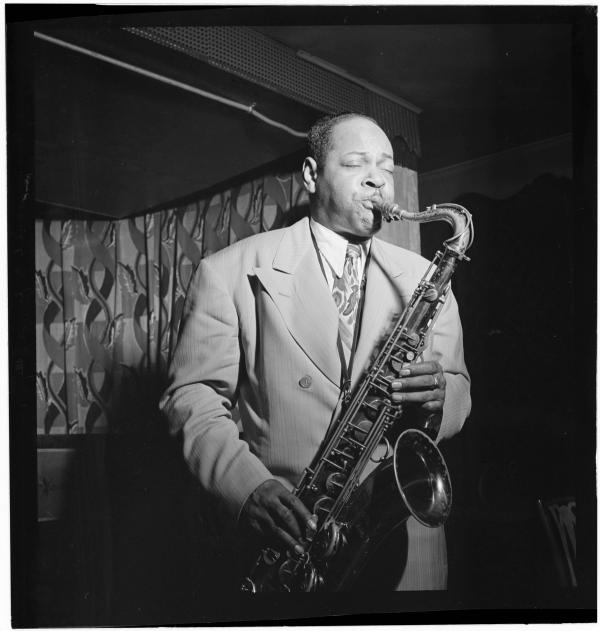
- Saxophone
As well as being considered the quintessential solo instrument of the swing era, the saxophone is a perfect instrument for arrangements and harmonies. The timbre and register of a saxophone varies according to the type (alto, tenor, baritone), giving plenty of scope for texture and complexity from an arranger's point of view. From a DJ perspective, there are plenty of vintage recordings that feature the saxophone, so we have to be careful not to exclusively play songs featuring it (unless intended, or part of a themed set). Notable saxophonists of the swing era: Lester Young, Coleman Hawkins, Ben Webster, Illinois Jacquet, Johnny Hodges.
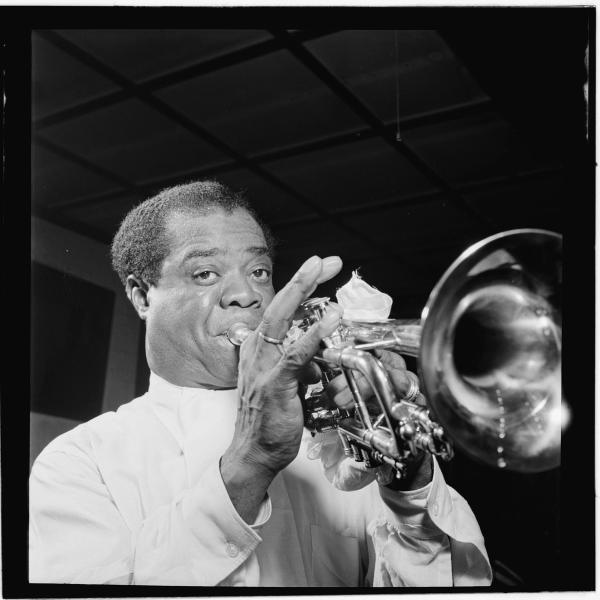
- Trumpet and Cornet
The trumpet and the cornet are similar in shape, but have a slightly different sound, cornet being a bit more mellow. They use the vibration of the lips at the mouthpiece to create the sound, with the valves changing the length of the tube to create the notes, which are then amplified by the bell. It can reach a very high volume, and its timbre can be modified by the way the lips are vibrated and by the use of the voice through the instrument. With a variety of mutes, including plungers, trumpet players can change the texture of their sound. As a DJ, you need to watch out for high frequencies, which can be deafening depending on the quality of the recording and the strength of the instrument. Notable trumpeters/cornet players of the swing era: Roy Eldridge, Cootie Williams, Harry "Sweets" Edison, Louis Armstrong, Buck Clayton.
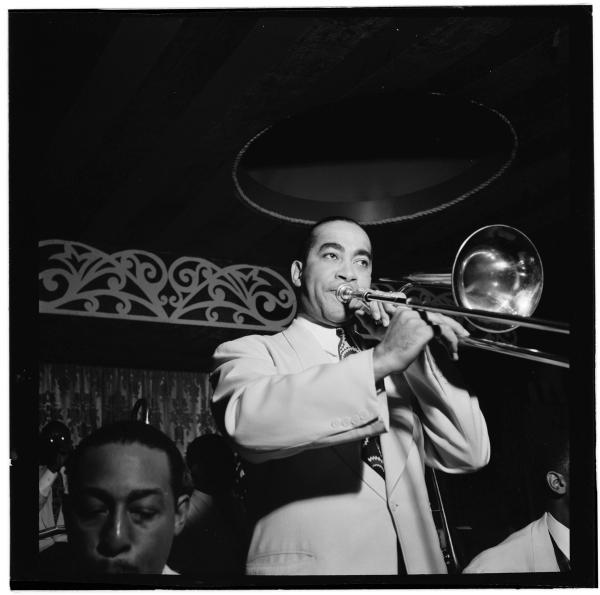
- Trombone
The trombone uses a mouthpiece similar to that of the trumpet, except that a slide (rather than valves) is used to reach the notes. Since the trombone's tube is longer than that of the trumpet, its sound has a lower register. In the swing era, the trombone was rarely used as a solo instrument. It was mainly used for arrangements, harmonies and riffs. Notable trombonists of the swing era: Fletcher Henderson, Jack Teagarden, Glenn Miller, Vic Dickenson, J.C. Higginbotham.
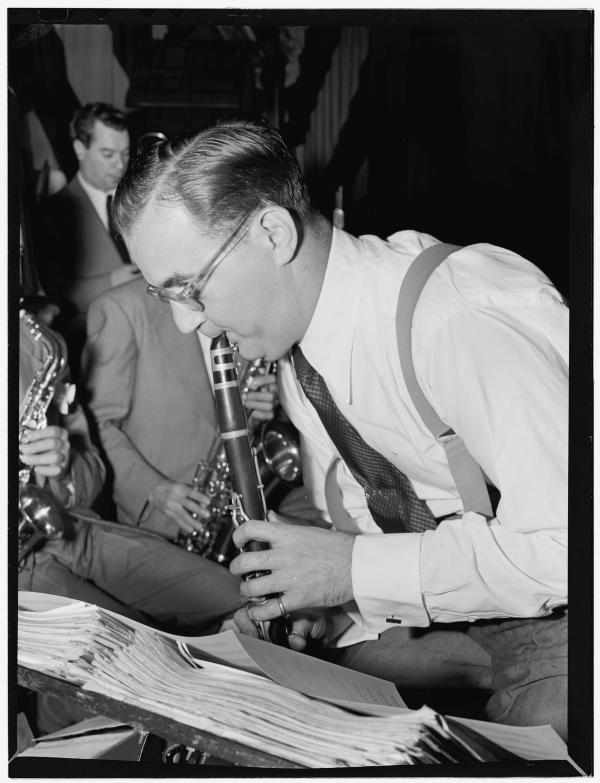
- Clarinet
The clarinet was especially popular in the 1920s, the saxophone taking its place during the swing era. Because of the similarity between the two instruments and the role they play, saxophonists also often played the clarinet. Like the trumpet, the high frequencies can be deafening on old recordings, so take care and adjust as necessary. Notable clarinettists of the swing era: Benny Goodman, Artie Shaw.
Discussion
No comments yet. Be the first to ask a question or share a thought.